
Tristan and Isolde

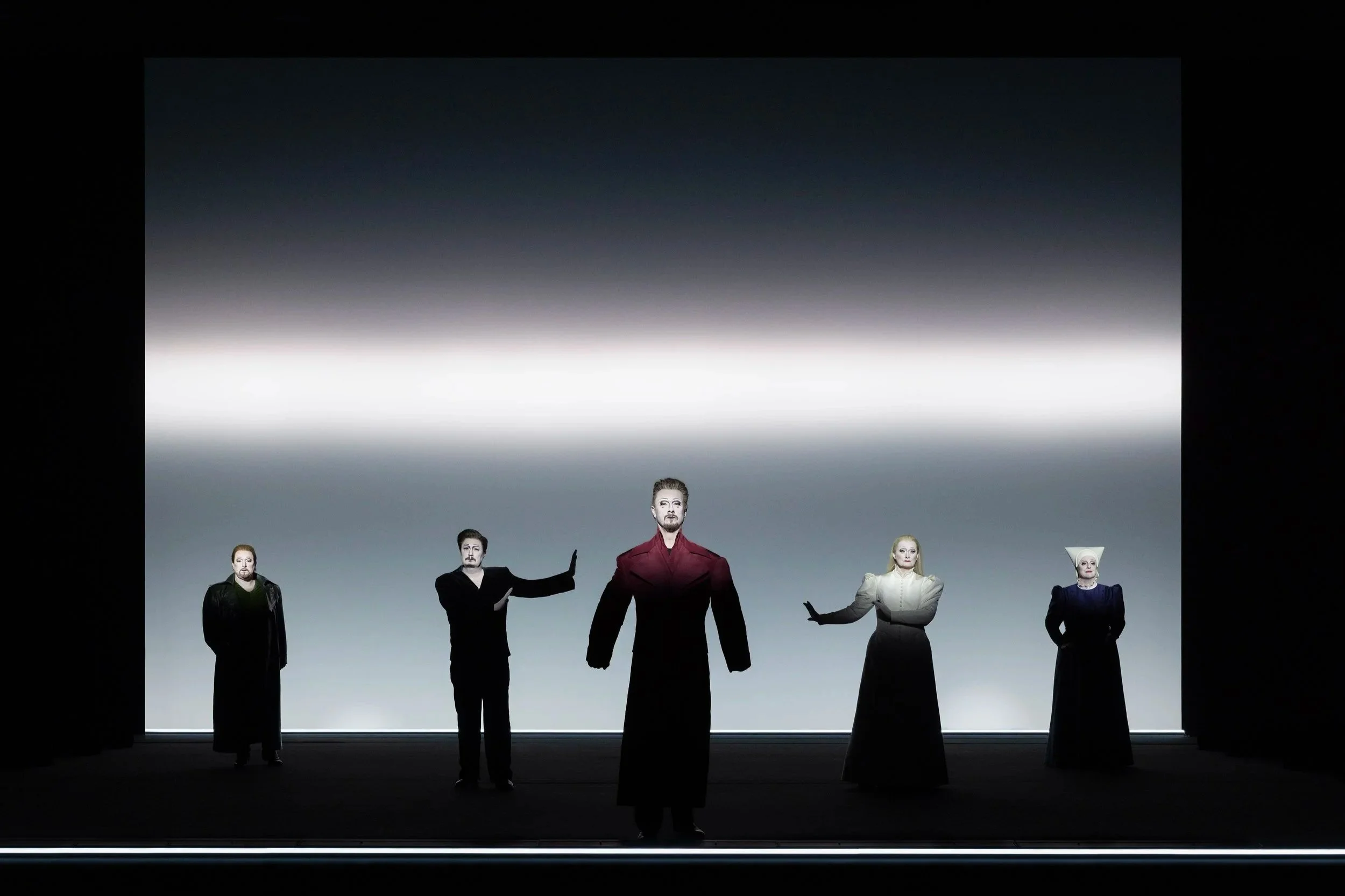
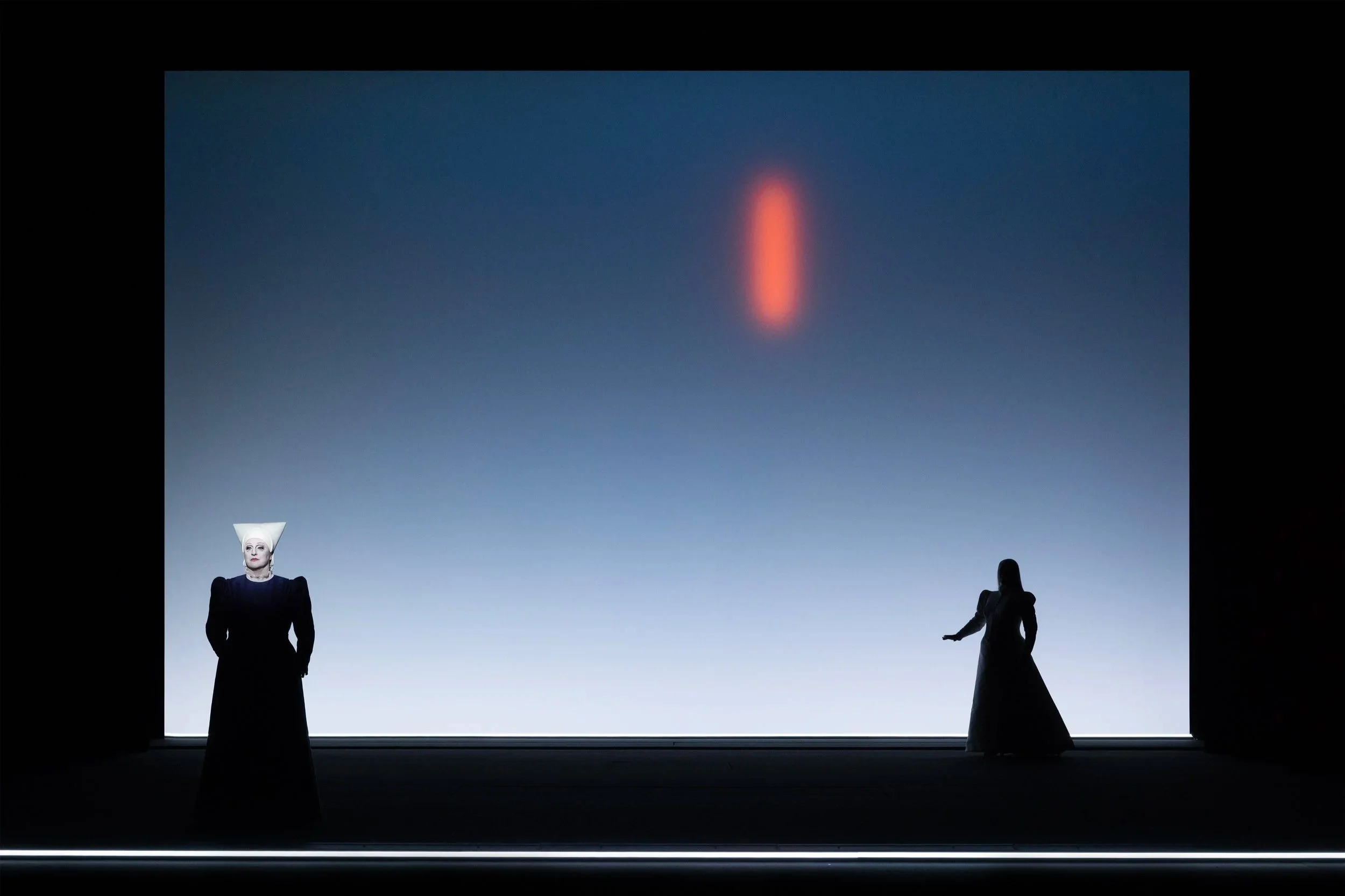
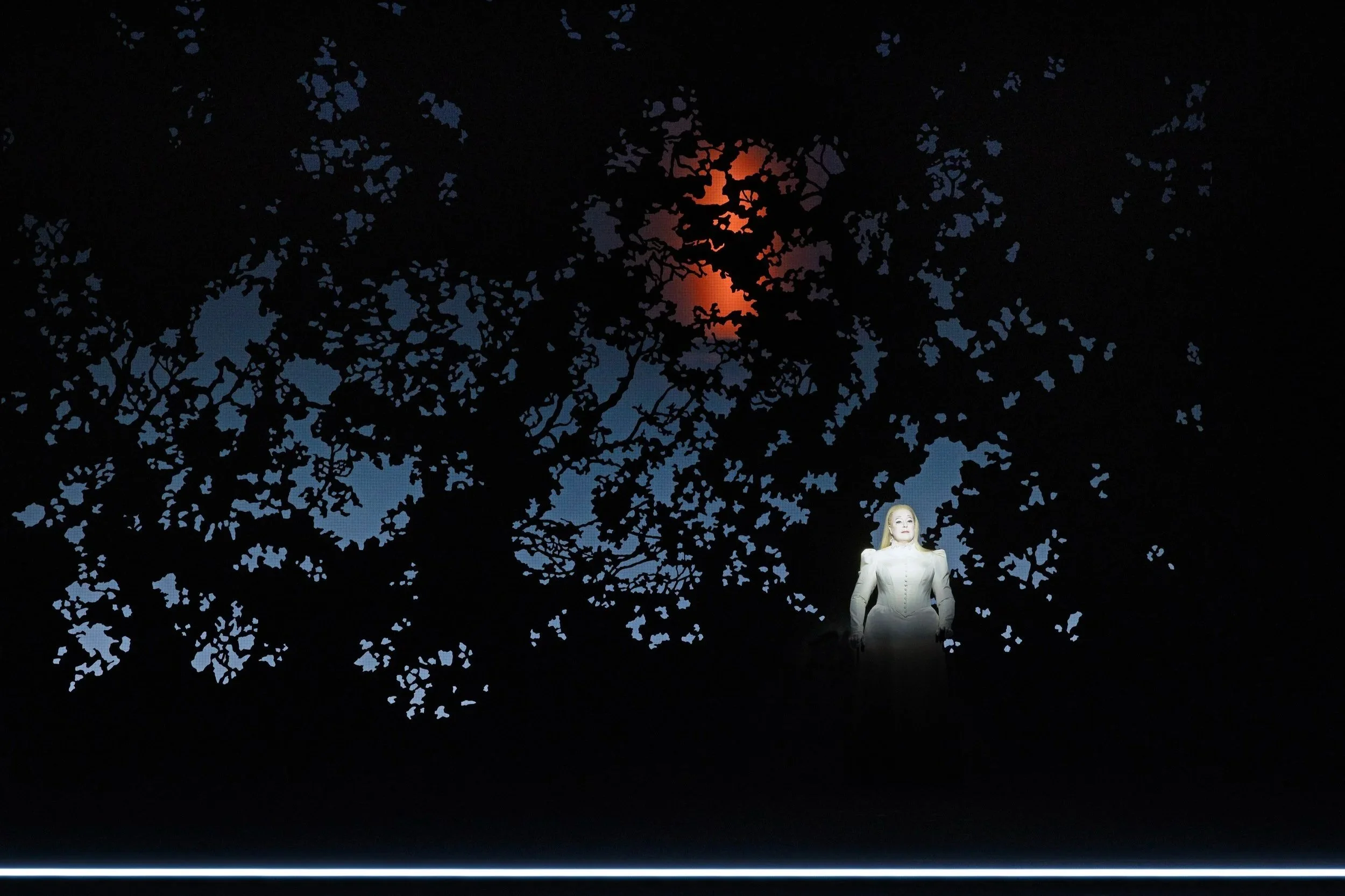
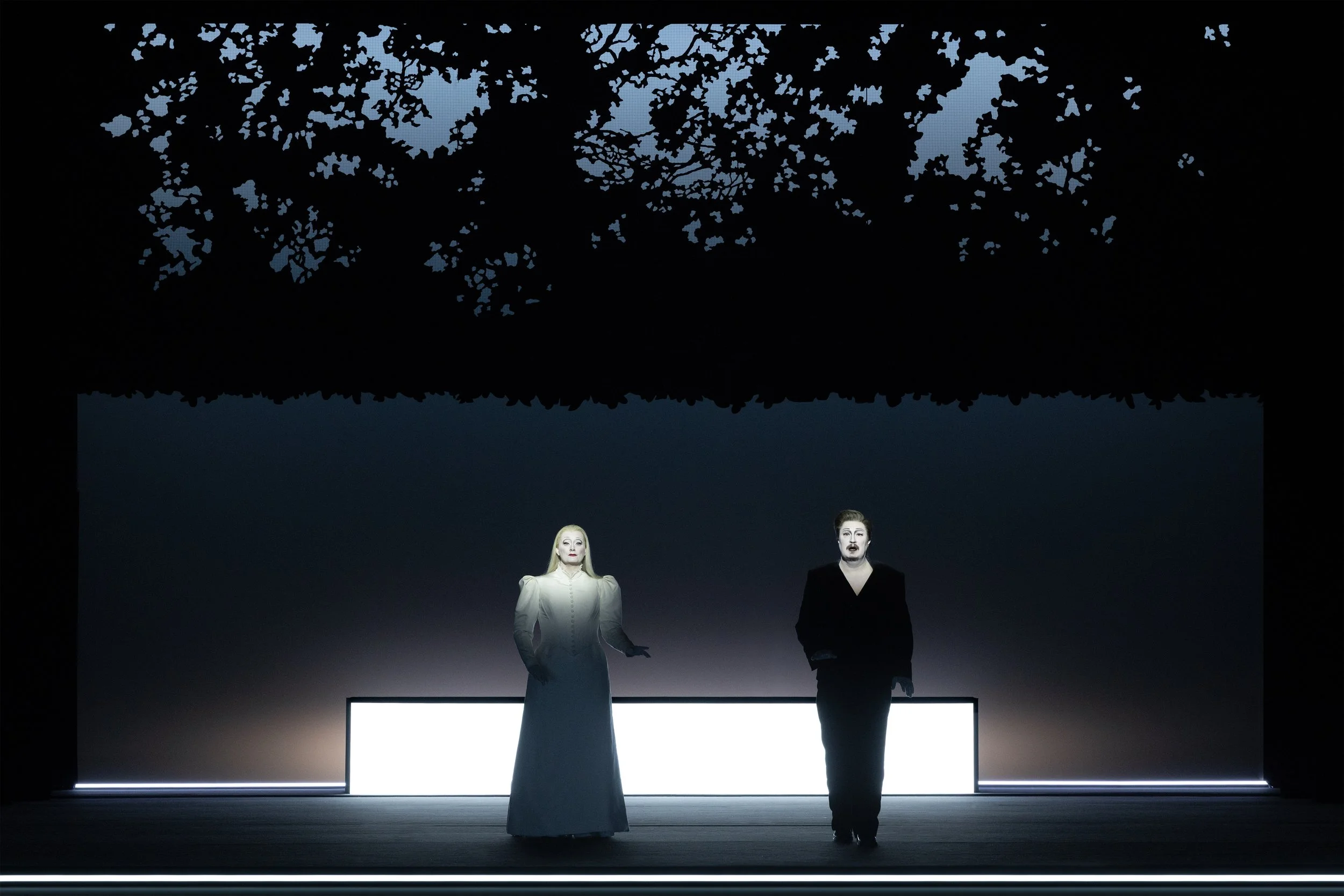
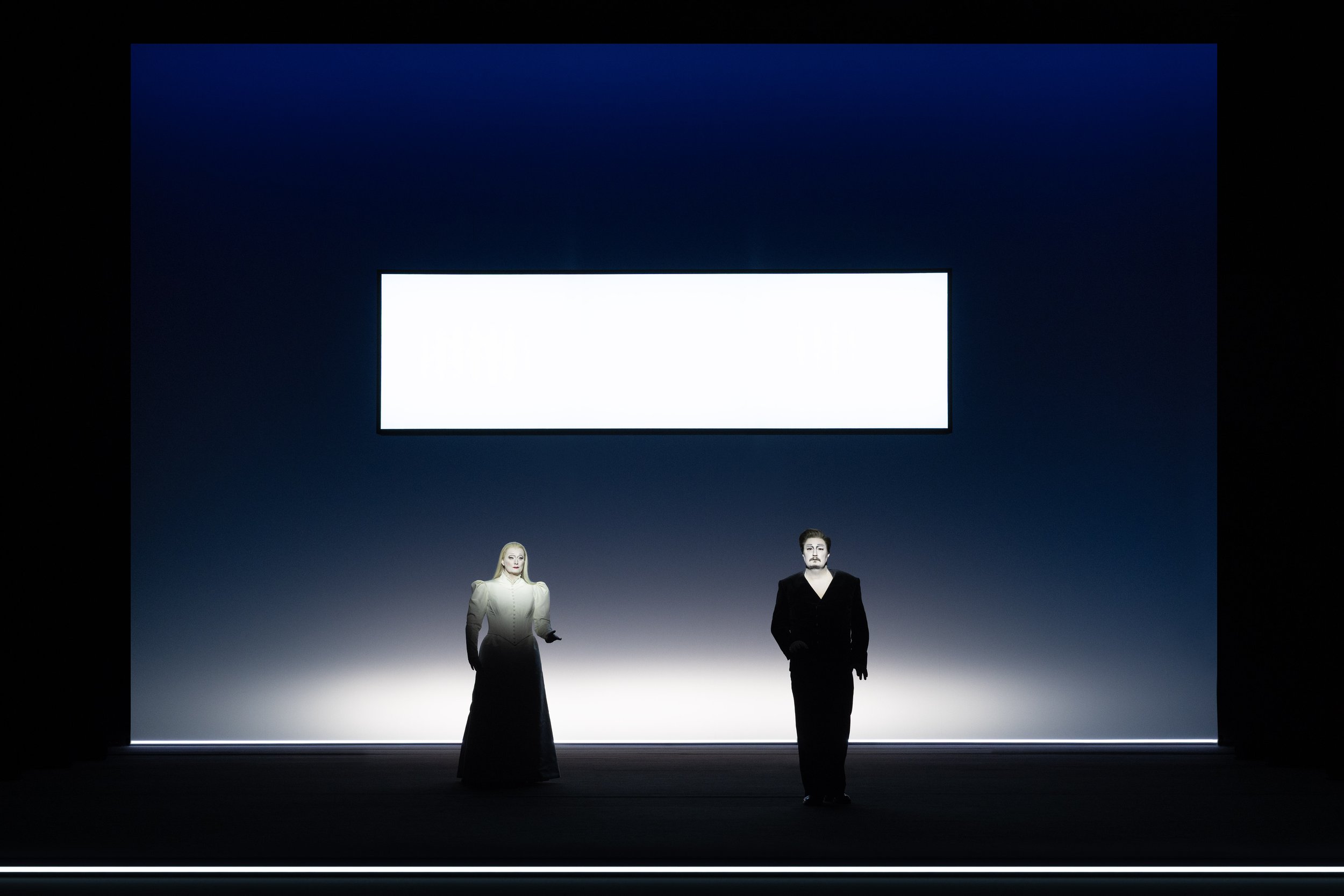
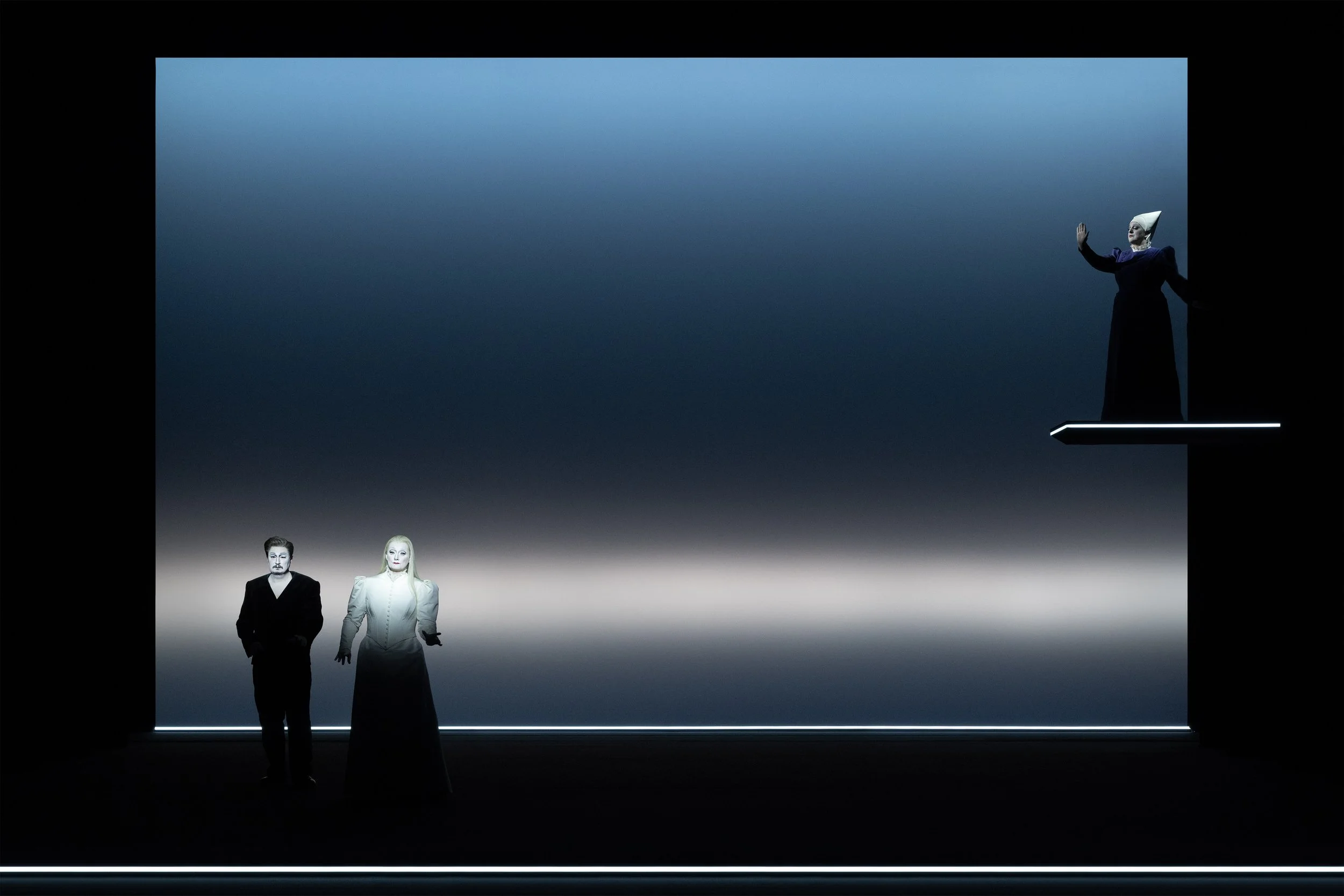
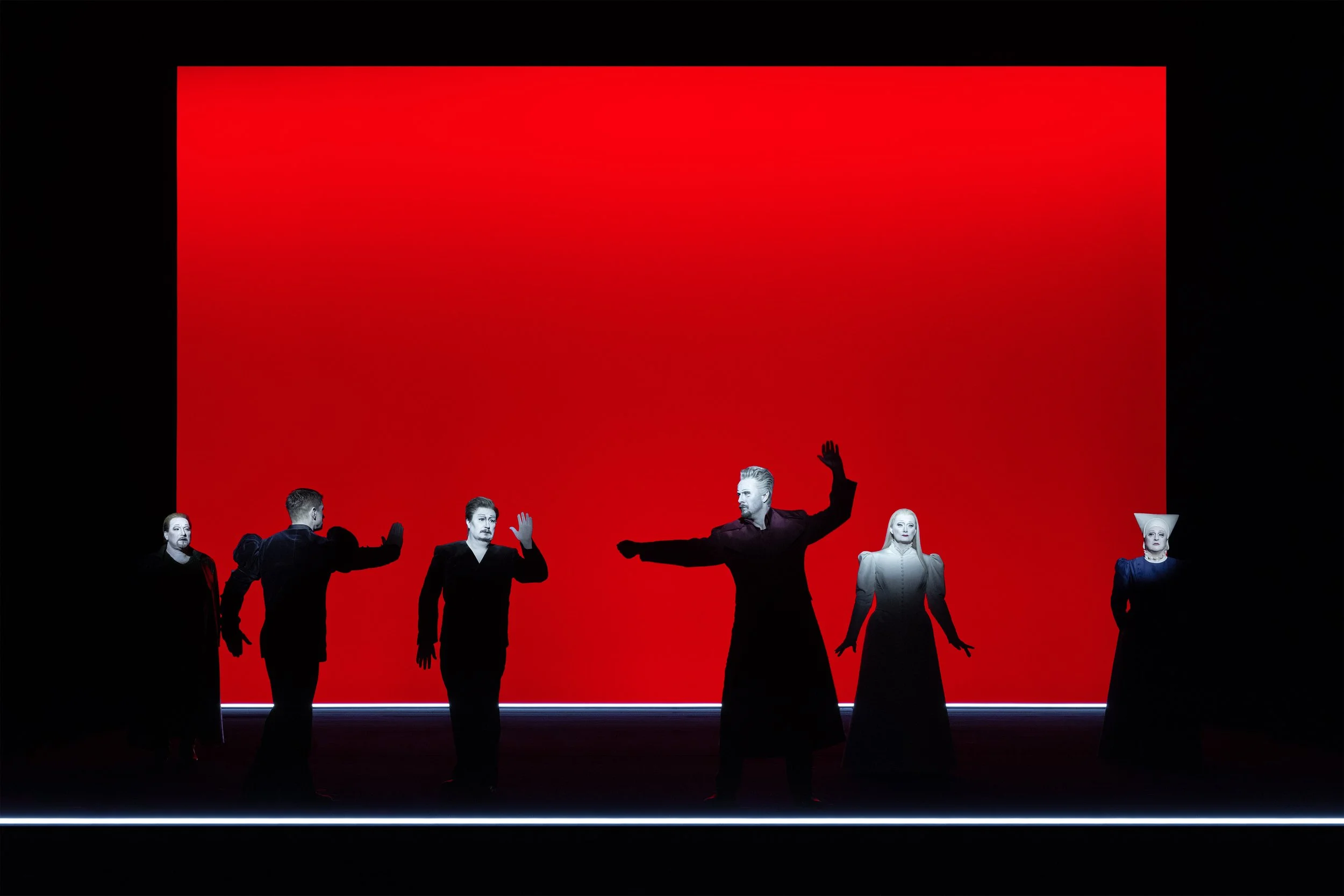
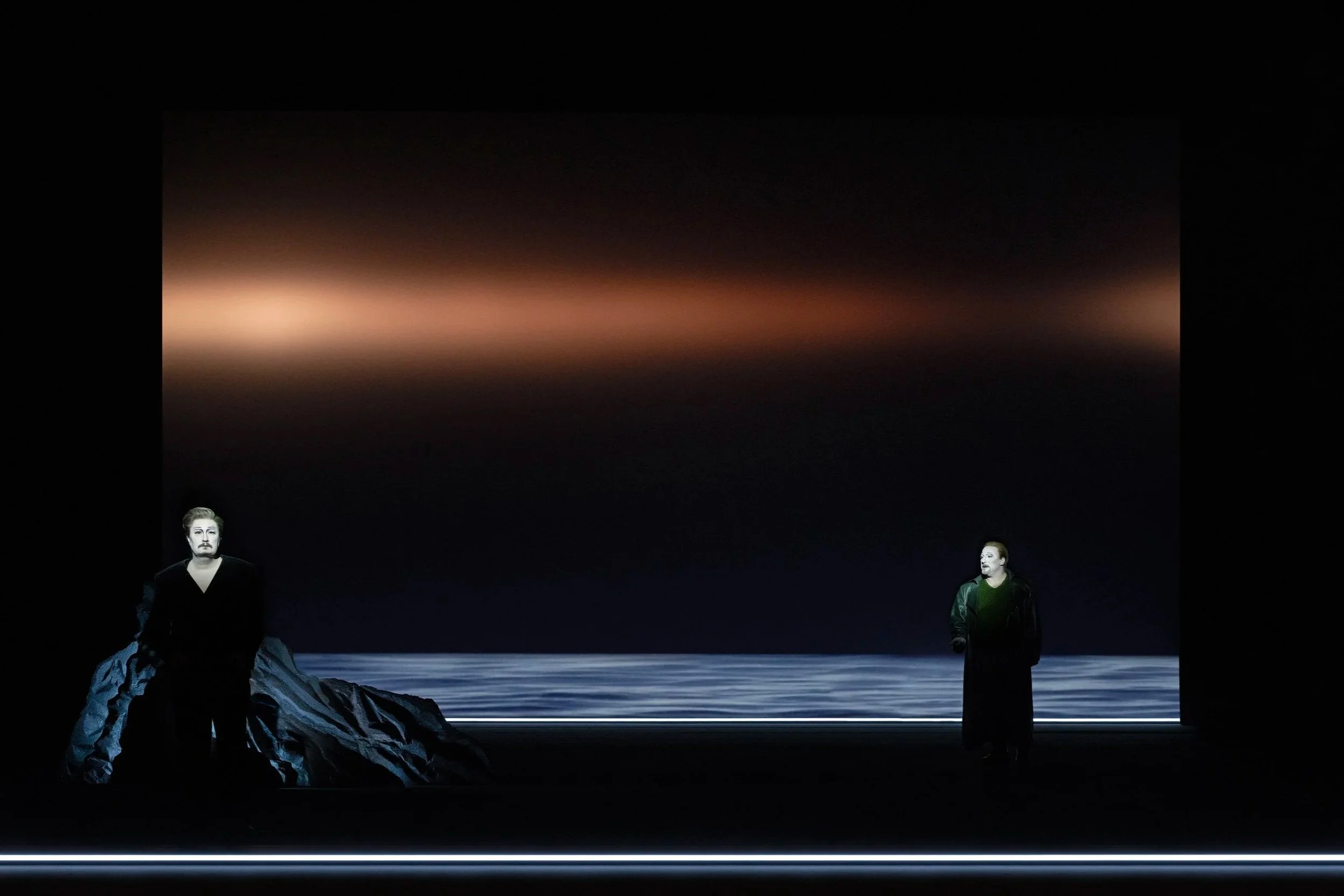
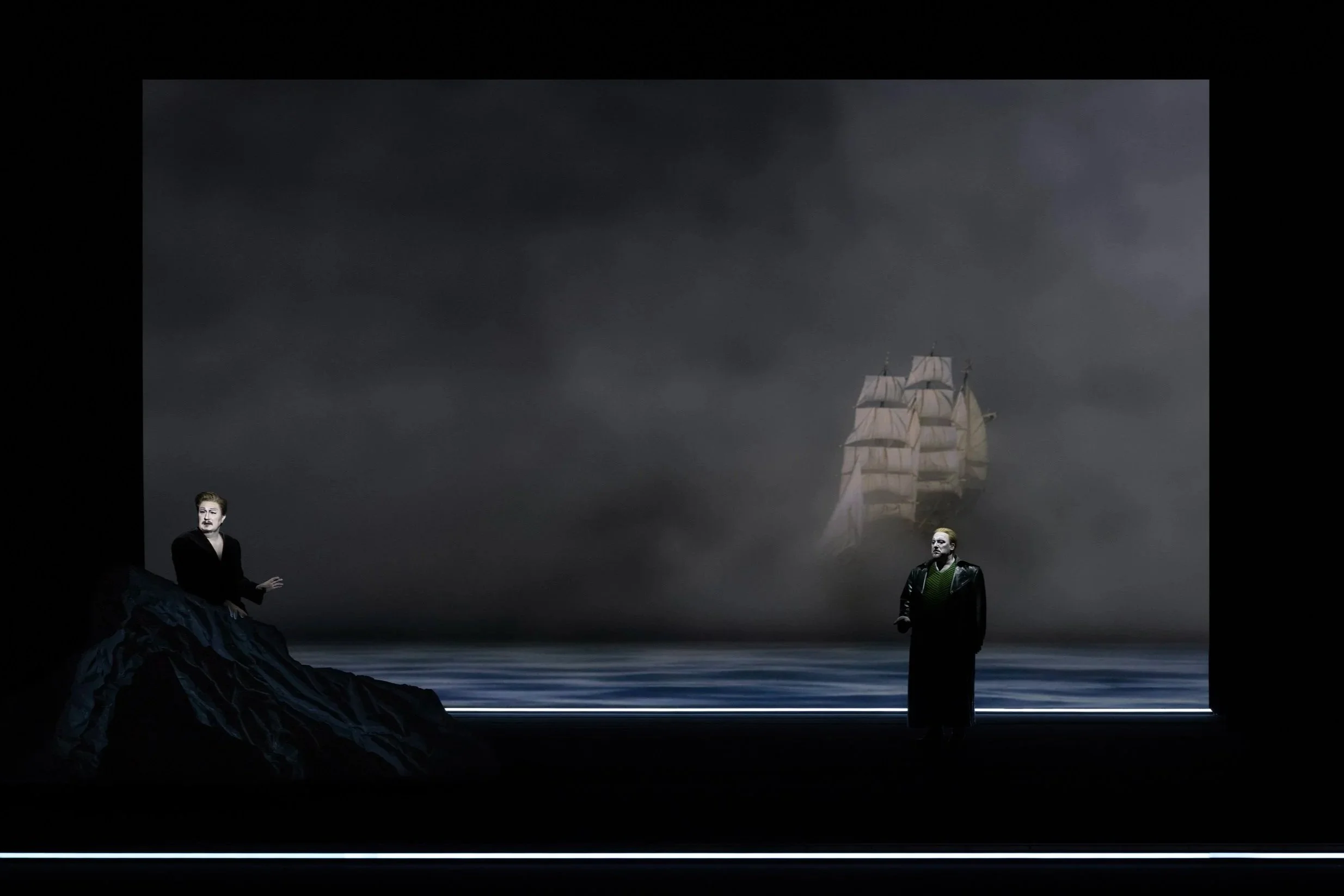
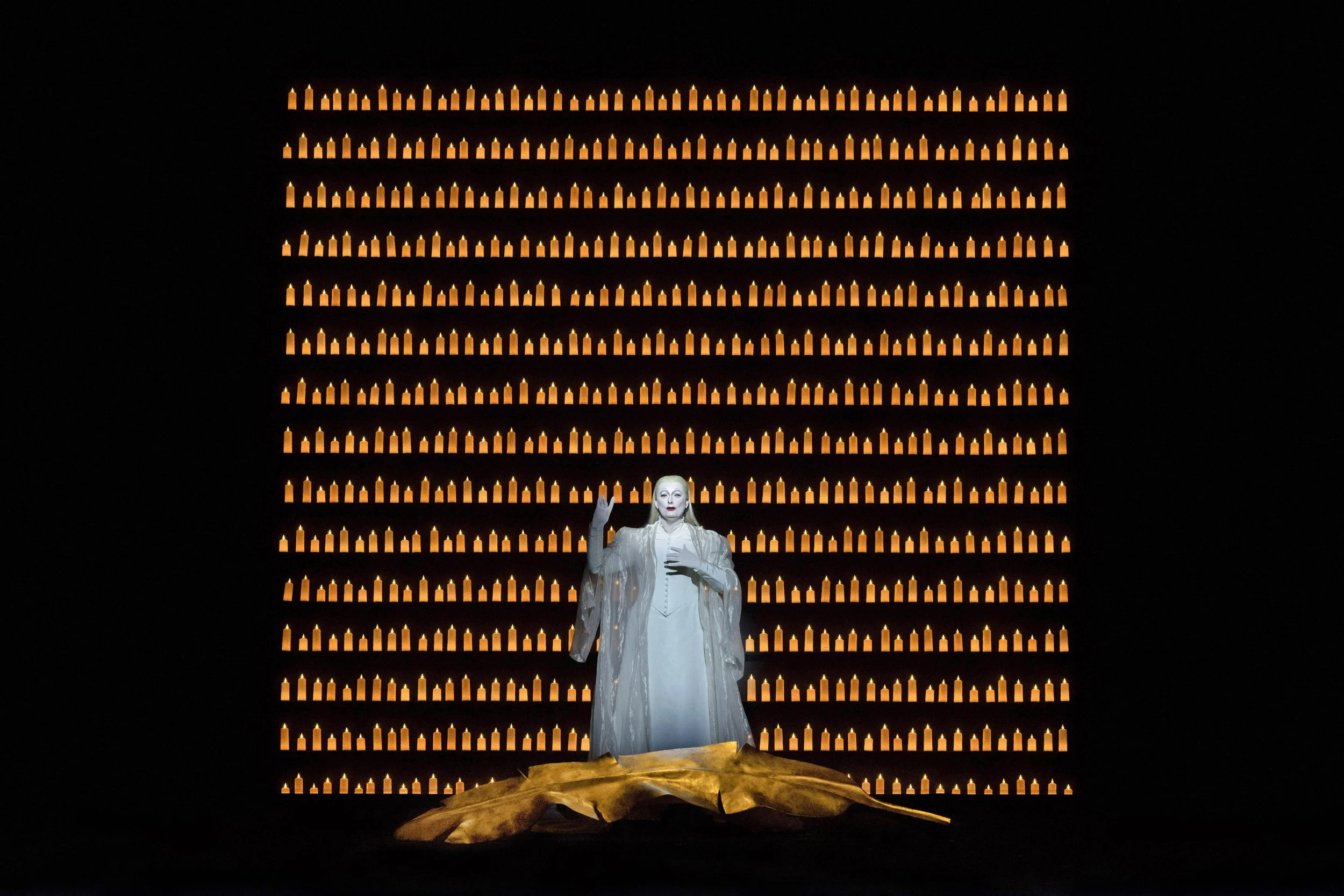
[Tristan und Isolde]
Music Drama in three Acts by Richard Wagner
Co-Director Nicola Panzer; Co-Set Designer Stephanie Engeln; Set Design Assistant Flavio Pezzotti; Lighting Designer Marcello Lumaca; Costume Designer Jacques Reynaud; Costume Assistant Flavia Ruggeri; Dramaturg Konrad Kuhn; Video Designer Tomasz Jeziorski
Opening on February 5, 2026 at the Slovenian National Theater Opera and Ballet Ljubljana, Slovenia
A co-production with the Royal Theater of La Monnaie in Brussels, the Royal Theater in Madrid and the Wrocław Opera.
“It is an opera about day and night. And about hope. So, it’s about light.
It should not be a tragic love story. Nothing depressing. Be light. It’s joyous, not sad. Hope can be in darkness.”
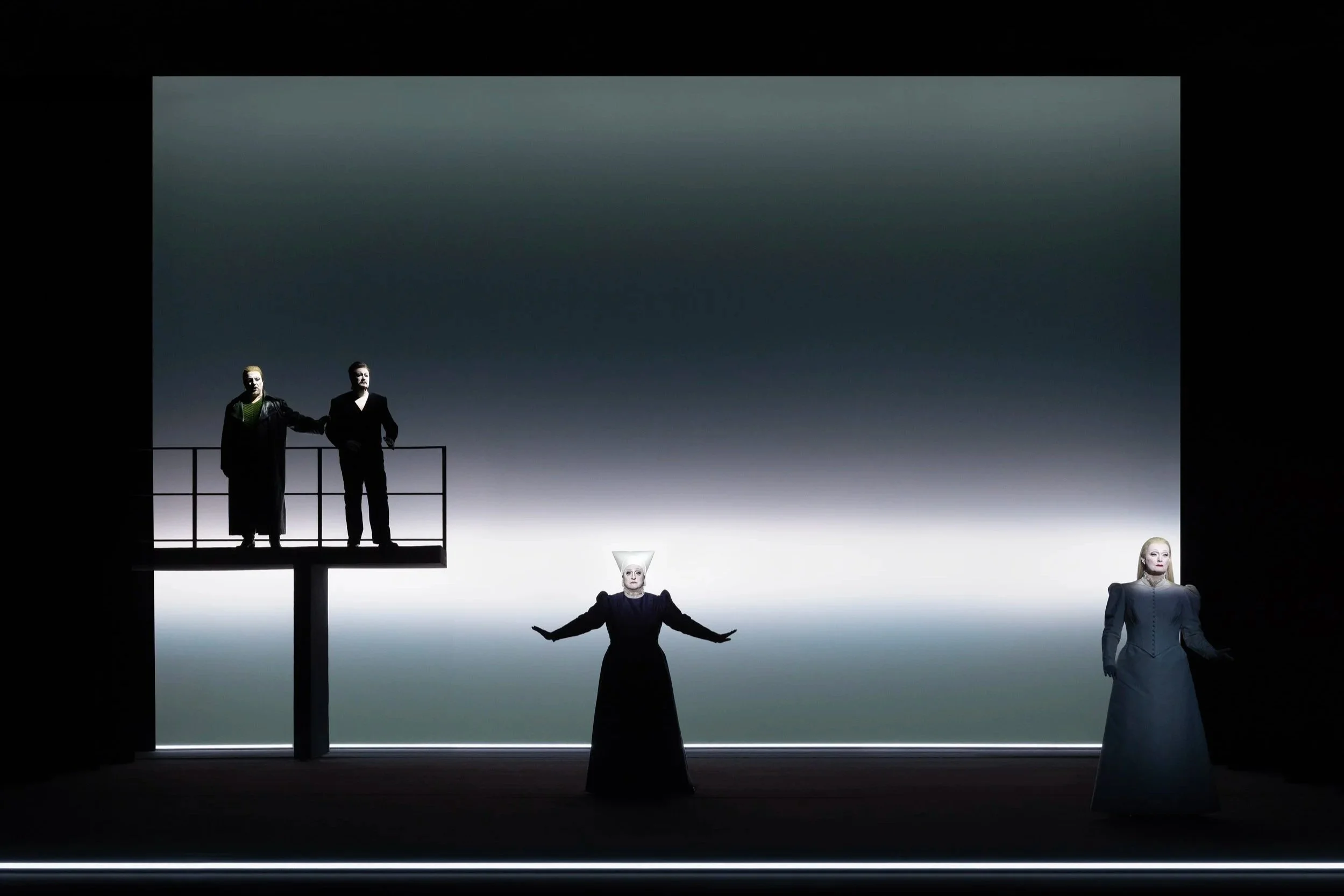
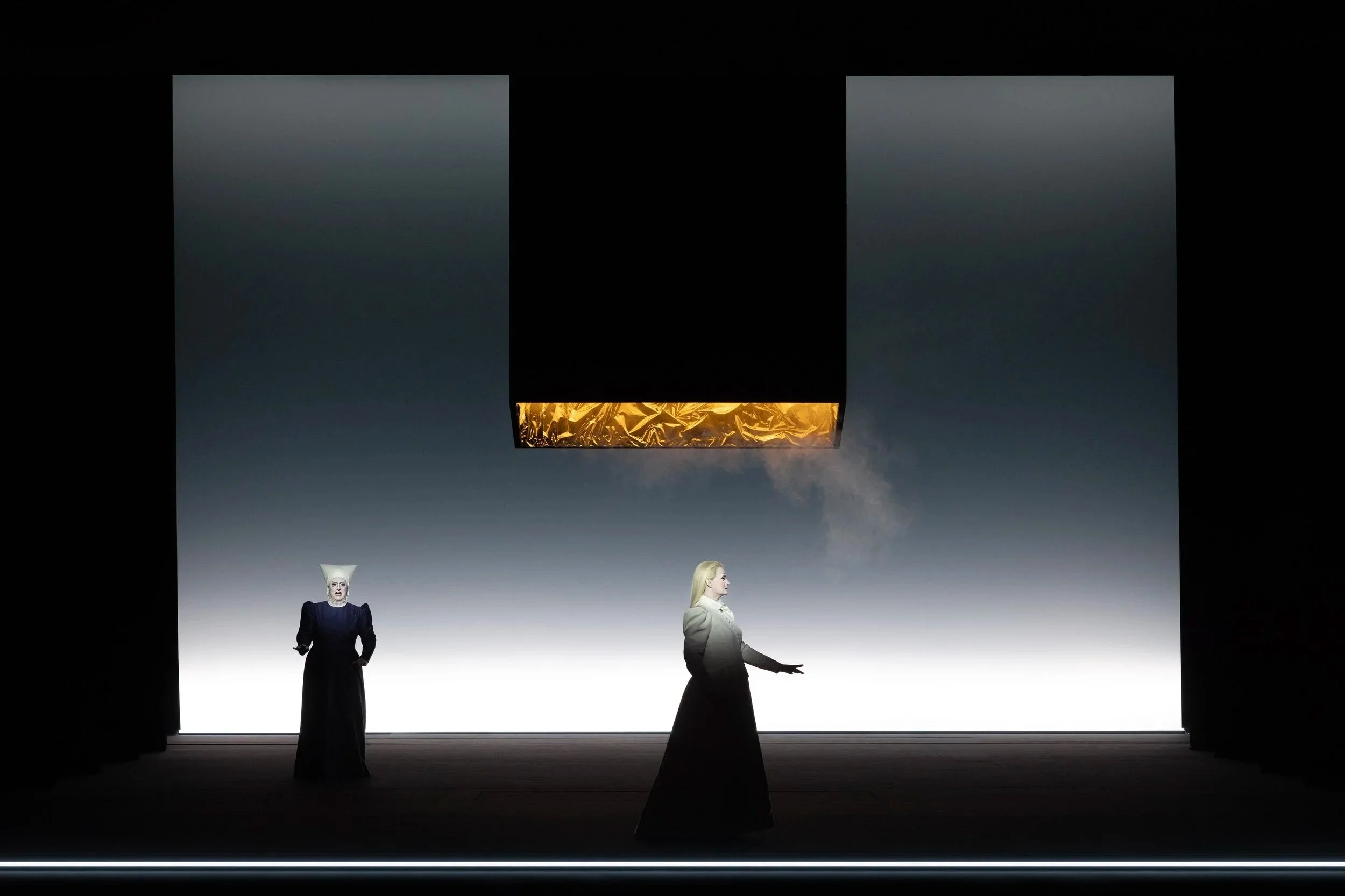
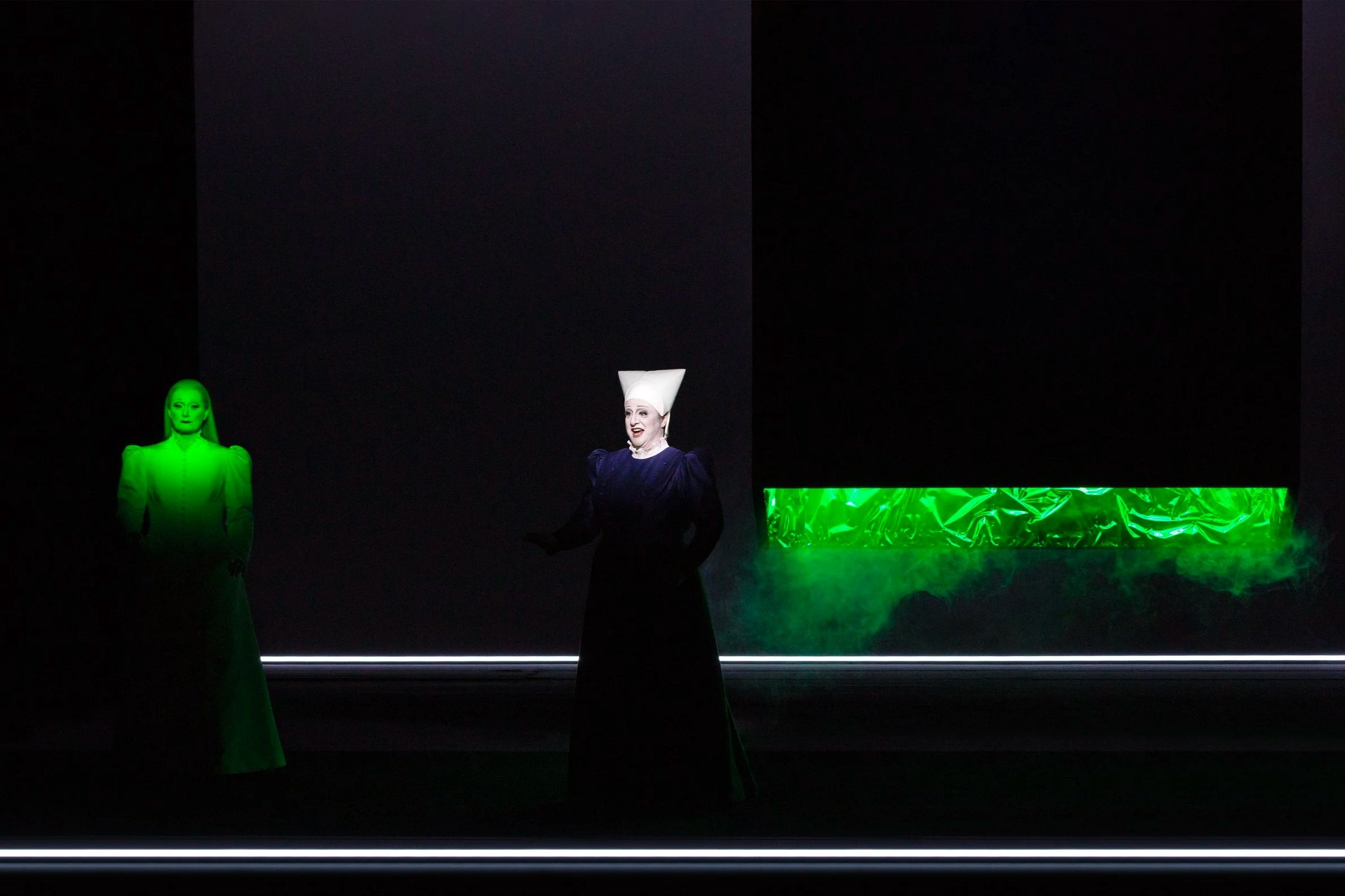
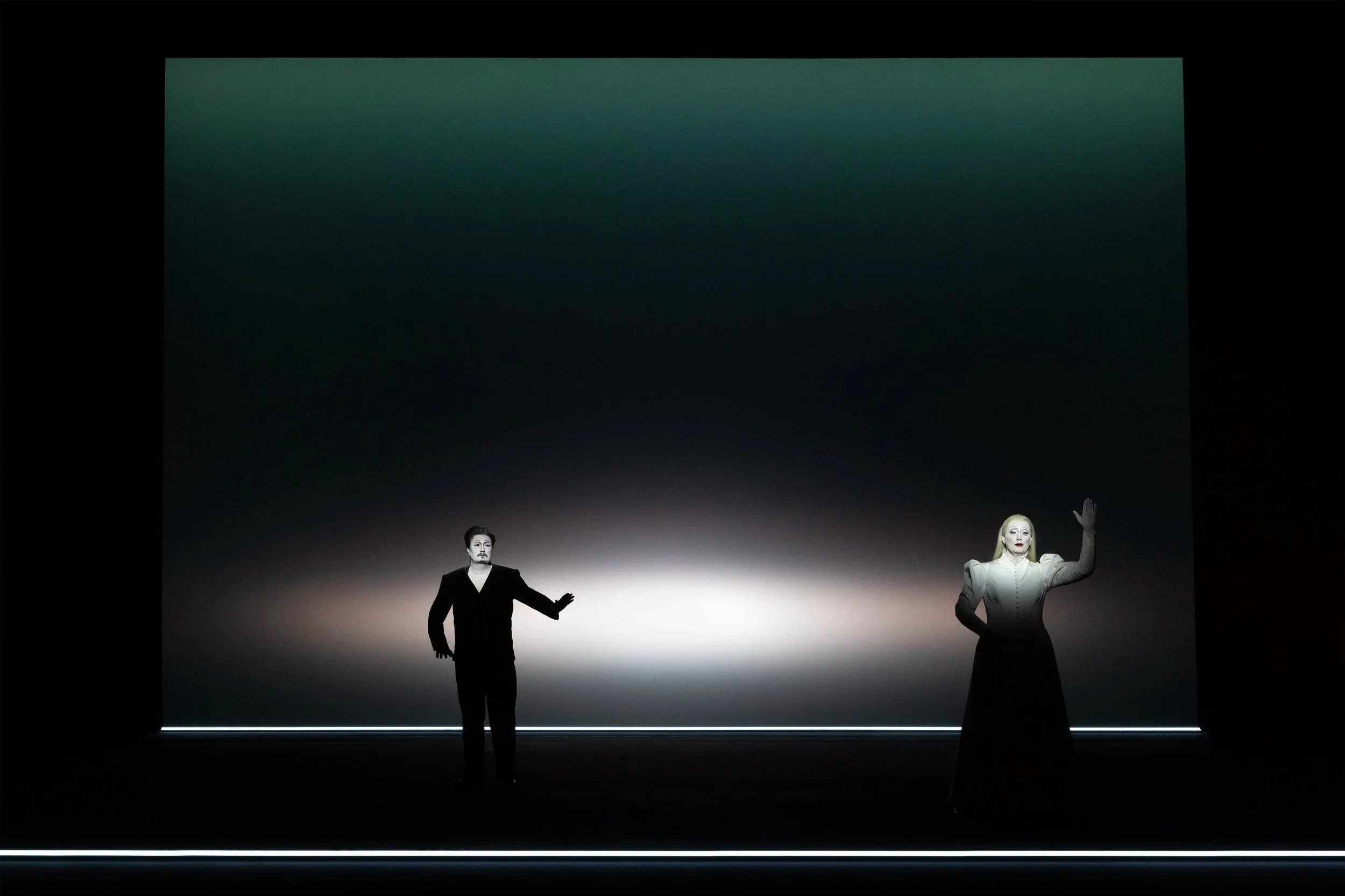
“[Robert Wilson] related well to the music of Richard Wagner, and this is no coincidence. Wilson’s Parsifal premiered at the Hamburg State Opera in 1991, followed the same year by Lohengrin at the Zurich Opera House. Later, he would stage the Ring Cycle in Zurich. Wagner introduced a revolutionary concept to the history of musical theater: the orchestra becomes the “storyteller,” rather than the sung text. The “endless melody,” with its leitmotifs carried by the orchestra, serves as the foundation for the vocal line, which is shaped independently of it. This approach transcends the 19th-century Italian opera model, in which the orchestra merely accompanied the melody, and establishes a musical language governed by its own laws. This language, in turn, structures the action – a reason why Wagner insisted on the term “musical drama” rather than “opera”. For Wilson, musical structure always inspired the conception of a visual structure in time and space. When asked about the “concept” of a production, Wilson would say: “When I start, I try not to have any ‘ideas.’ You don’t know where you end up before you start going.” He was always reluctant to give any self-interpretation or theoretical explanations other than formal ones: “For the first scene in Act 1 of Tristan and Isolde, with Isolde and Brangäne onstage, I use a pattern of straight lines. The two characters alternate in moving downstage and upstage in a certain rhythm. For the duet between Isolde and Tristan later in the same act, the pattern is formed by circles. There are only two sorts of lines: straight or curved. You have to decide which one to use.”
A very striking moment during the staging rehearsals of Tristan and Isolde in Ljubljana back in June 2025 occurred when we were dealing with Tristan’s death in Act Three. Wilson decided to have him leave the stage after his passing instead of having the “corpse” lie there until the curtain fell. He demonstrated his idea through an improvisation, explaining: “There are two ways of leaving a stage: either you take your presence with you, or you leave it behind. So, it’s still there even though you have left.” On July 31, 2025, Robert Wilson left the stage of his earthly existence. But he left his presence behind – the beauty of his work as a visual artist, a man of the theater, and much more; a vision that will continue to influence generations to come.”